

By John James March 19, 2026
Chargeback prevention is one of the most crucial aspects every limousine business must master to protect its revenue and maintain strong customer relationships. Limo chargebacks and every payment dispute limo businesses encounter can feel frustrating because they often happen even when the service was delivered properly. Many disputes arise from simple problems, such as missing signed authorization forms, weak driver receipt records, unclear billing descriptions, or a lack of communication. In other situations, disputes occur due to friendly fraud, where legitimate customers dispute genuine charges because they do not recognize the transaction or have simply forgotten they booked the ride. Without strong evidence of merchant disputes, even professional companies can lose disputes they should have won.
The good news is that most disputes are preventable when businesses build strong processes and focus on consistency. Clear booking procedures, professional communication, reliable payment processing for car service, and organized documentation can dramatically reduce dispute risk. When a company focuses on strong chargeback prevention, it not only protects revenue but also improves trust and credibility.
This guide explains practical strategies that help limo companies prevent disputes, respond correctly when they occur, and protect valuable client relationships while maintaining a professional reputation.
Table of Contents
What Are Chargebacks and Payment Disputes?
A chargeback happens when a customer contacts their credit card company to reverse a payment instead of contacting the business directly. This creates a payment dispute that limo owners must address by submitting proof that the service was legitimate. The bank reviews the information from both sides and decides who keeps the funds.
Chargebacks usually happen because:
- Customers do not recognize the business name.
- Someone else used the card.
- Customers forget the booking.
- Clients misunderstand policies
- Clients believe they were overcharged.
Bookings increase risk in the limo industry. A corporate travel manager may book transportation weeks ahead. When the charge appears later, the cardholder may not recognize it. This often leads to unnecessary limo chargebacks.
This is why confirmation emails, clear billing names, and strong documentation play a major role in chargeback prevention.
Common Reasons for Limo Chargebacks
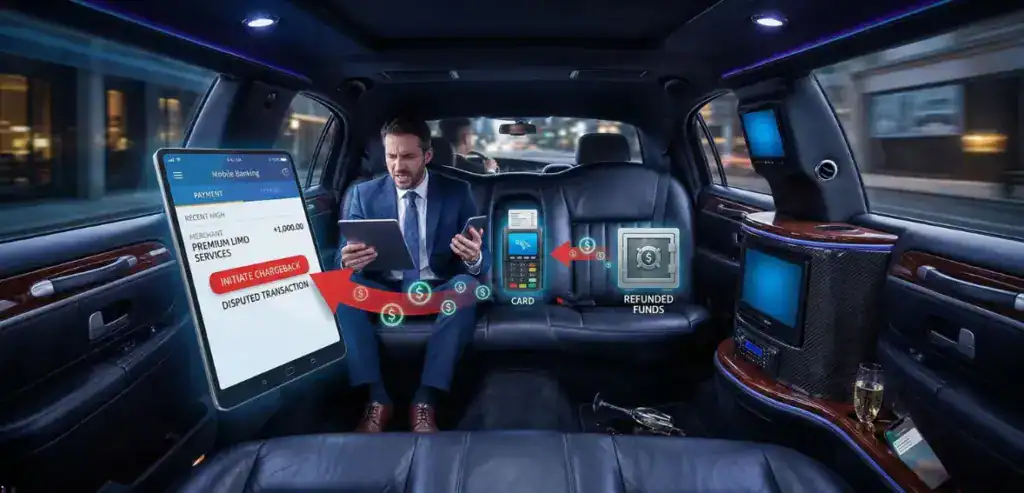
Understanding the most common causes of disputes allows businesses to fix weak points before they cause revenue loss.
One major cause is friendly fraud. This type of dispute is extremely common in transportation services. It happens when legitimate customers dispute valid charges.
Examples include:
- A client forgets they booked airport service.
- An assistant books a ride for an executive.
- A spouse books transportation.
- A corporate card user does not recognize the vendor name.
Other causes come from weak processes.
Examples include:
- Missing signed authorization forms
- Incomplete chauffeur receipt records
- Weak merchant dispute evidence
- Poor payment descriptions
- Lack of communication
- Unclear cancellation terms
- Manual payment errors
Many payment dispute limo business problems happen because systems are not standardized. Businesses that create consistent procedures see far fewer disputes.
Improving processes is one of the most effective chargeback prevention strategies available.
Why Clear Payment Processes Reduce Disputes

Payment confusion is one of the biggest causes of disputes. Customers rarely dispute charges they clearly understand.
Businesses should always make sure customers know the following:
- What they are paying for
- When wilWhen will they be charged? The cancellation policy is
- What extra charges may apply
- What name appears on statements
Clear payment processes reduce confusion and improve chargeback prevention.
A strong payment workflow includes the following:
- Upfront pricing
- Written confirmations
- Digital receipts
- Billing transparency
- Authorization approvals
Professional payment processing for car service platforms helps maintain consistency and reduce errors.
Clear processes create confidence and reduce the risk of friendly fraud disputes.
Why Documentation Is the Foundation of Chargeback Prevention
Documentation determines dispute outcomes. Banks rely on evidence, not explanations.
Strong records should include:
- Reservation confirmations
- Client agreements
- Driver logs
- Trip completion records
- GPS arrival times
- Email confirmations
- Text communication
- Chauffeur receipt records
- Signed authorization forms
These documents become your merchant dispute evidence.
For example, if a client disputes a late-night airport transfer, you can provide the following:
- Booking confirmation
- Driver dispatch log
- GPS arrival proof
- Client communication
- Payment authorization
This type of documentation makes disputes much easier to win and strengthens your chargeback prevention process.
Businesses that consistently maintain documentation usually win more cases.
How to Build a Reliable Chargeback Prevention System
Strong prevention systems reduce stress and improve business stability.
Standardize Your Booking Process
Always follow the same booking steps:
- Confirm trip details
- Send written confirmation
- Collect payment authorization
- Store documentation
Consistency reduces mistakes and improves chargeback prevention.
Always Collect Payment Approval
Digitally signed authorization forms confirm payment approval and protect against disputes.
Authorization forms should confirm:
- Service agreement
- Pricing agreement
- Cancellation terms
- Payment approval
This protects against friendly fraud.
Keep Accurate Trip Records
Drivers should maintain detailed chauffeur receipt records.
Records should include:
- Pickup time
- Drop off time
- Client name
- Route notes
- Service completion confirmation
These records strengthen merchant dispute evidence.
Use Professional Payment Systems
Modern payment processing for car service tools reduces fraud and improves record tracking.
Train Staff on Documentation
Staff discipline is critical. Employees must understand that documentation protects the company.
Training should emphasize the following:
- Documentation accuracy
- Policy communication
- Payment verification
- Complaint handling
Training improves chargeback prevention significantly.
How to Respond to Chargebacks Professionally
When disputes happen, response quality matters.
Review Dispute Details Carefully
Check:
- Transaction date
- Customer name
- Booking records
- Dispute reason
Understanding the issue prevents incorrect responses.
Build a Complete Evidence Package
Strong merchant dispute evidence should include:
- Reservation confirmation
- Client communication
- Signed authorization forms
- Chauffeur receipt records
- Payment receipts
- Trip documentation
The more organized your documentation, the stronger your case.
Respond Quickly and Completely
Late responses usually lose automatically. Quick responses improve success rates.
Communicate Calmly with Clients
Some disputes can be resolved by simply explaining the charge. Professional communication helps reduce tension.
Even suspected friendly fraud should be handled professionally.
Improve Systems After Each Case
Each dispute shows where your process can improve. Continuous improvement strengthens chargeback prevention.
How to Protect Customer Relationships During Disputes
A dispute should not destroy a valuable client relationship.
Professional businesses focus on both financial protection and customer experience.
Listen Before Responding
Allow clients to explain concerns. Many disputes come from confusion.
Provide Clear Explanations
Explain:
- Service details
- Charges applied
- Policies agreed
Transparency builds trust.
Offer Fair Solutions When Appropriate
Sometimes offering:
- Service credits
- Future discounts
- Billing clarification
can resolve issues quickly.
Focus on Long-Term Value
One good client is worth more than one payment. Professional handling improves payment dispute limo business management.
Businesses known for fairness often experience fewer disputes.
Technology That Strengthens Chargeback Prevention
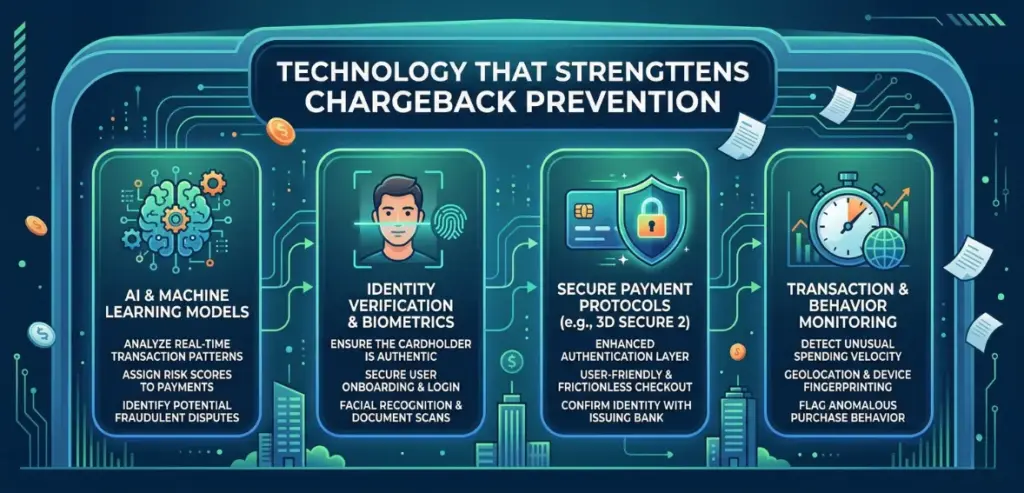
Technology reduces human error and improves consistency.
Payment Platforms
Good payment processing for car service platforms provides:
- Fraud alerts
- Digital receipts
- Dispute notifications
- Reporting dashboards
These improve chargeback prevention.
Digital Documentation Tools
Digitally signed authorization forms simplify recordkeeping.
Integrated Reservation Systems
Integrated booking platforms automatically store trip records, strengthening merchant dispute evidence.
Data Reporting Tools
Dispute tracking helps identify patterns early.
Technology makes prevention easier and more reliable.
Policies Every Limo Business Must Have
Clear policies reduce misunderstandings.
Essential policies include:
- Cancellation deadlines
- No-show charges
- Wait time billing
- Refund eligibility
- Extra stop charges
- Cleaning fees
Policies should be:
- Simple
- Written clearly
- Sent before booking
- Included in confirmations
- Included in signed authorization forms
Clear expectations improve chargeback prevention.
Confusing policies increase disputes.
Simple language always works best.
Staff Training Is a Hidden Prevention Tool
Many disputes happen because employees skip steps.
Drivers should always:
- Confirm client names
- Document arrival times
- Record service completion
- Maintain chauffeur receipt records.
Office staff should:
- Send confirmations
- Store authorization forms
- Verify payments
- Document complaints
Training should include the following:
- Payment procedures
- Documentation rules
- Customer communication
- Dispute handling
Training is one of the most overlooked chargeback prevention investments.
Operational Mistakes That Increase Chargebacks
Avoid these common mistakes:
- Missing documentation
- Weak receipts
- No authorizations
- Slow responses
- Poor communication
- Weak merchant dispute evidence
- Outdated payment processing for car service
- Disorganized records
Each mistake increases limo chargeback risk.
Strong operations reduce disputes naturally.
Creating a Long-Term Chargeback Prevention Strategy
Successful businesses treat prevention as an ongoing process.
Build a long-term system:
- Review disputes monthly
- Improve booking confirmations
- Upgrade payment tools
- Improve documentation
- Train staff regularly
- Improve communication standards
This reduces payment dispute limo business risk long-term.
The goal is predictable operations and minimal disputes.
Companies that treat prevention seriously rarely struggle with disputes.
Real World Example of Dispute Reduction
One transportation company faced frequent disputes because it relied on manual processes.
Problems included:
- Missing authorizations
- Poor reception
- Manual invoicing
- Weak documentation
They improved by:
- Using digitally signed authorization forms
- Improving chauffeur receipt records
- Using better payment processing for car service
- Training employees
- Improving booking confirmations
Results included:
- Major reduction in disputes
- Improved revenue protection
- Stronger documentation
- Better customer satisfaction
Their improved chargeback prevention system created long-term stability.
Conclusion
Managing disputes successfully is about preparation, not reaction. Businesses that invest in strong chargeback prevention systems protect both their revenue and their reputation. Maintaining strong chauffeur receipt records, collecting reliable signed authorization forms, using modern payment processing for car service, and keeping clear communication all reduce dispute risks. Strong merchant dispute evidence allows businesses to respond confidently and resolve disputes efficiently.
The most successful limo businesses understand that most disputes come from process gaps, not bad customers. When companies improve documentation, reduce confusion, and handle friendly fraud professionally, they create stronger businesses. Reducing limo chargebacks is not just about protecting money. It is about building trust, maintaining professionalism, and creating a reliable service that clients respect and continue to use.
FAQ
What is the most important part of chargeback prevention?
Clear documentation and payment authorization are the most important protections against disputes.
How can limo companies reduce friendly fraud disputes?
Clear confirmations, recognizable billing names, and strong documentation help prevent accidental disputes.
What is strong merchant dispute evidence?
Booking confirmations, communication records, and signed agreements provide the strongest proof.
Can businesses keep customers after disputes?
Yes. Professional communication often preserves relationships even after payment conflicts.
Does technology help reduce disputes?
Yes. Modern payment systems improve tracking, prevent fraud, and simplify dispute management.