
By John James April 17, 2026
It’s possible a client won’t ever see your back office. They might never know how many calls you took that morning. They may never know how full your schedule was. But they will see your vehicle. They will see the shine on the paint. They will smell the cabin. They will feel how comfortable the ride is. They will notice how all the prep made the vehicle ready for the trip. The first impression is the experience.
This is also the reason why a pre-trip vehicle prep checklist is important. It isn’t just a maintenance habit. It is a customer service tool. It helps safeguard your brand, create a polished experience, avoid delays, reduce safety risks, and create memorable experiences. It doesn’t matter if you run a black car service, a chauffeur business, an executive shuttle, a delivery fleet, or a mobile service. Having a solid vehicle prep routine makes all the difference.
This guide will teach you how to create a pre-trip vehicle checklist that is both practical and professional, so your vehicles stay road-ready and your clients stay impressed. You will also learn to create a system that is simple for drivers and staff to adhere to daily.
The Importance of a Vehicle Prep Checklist
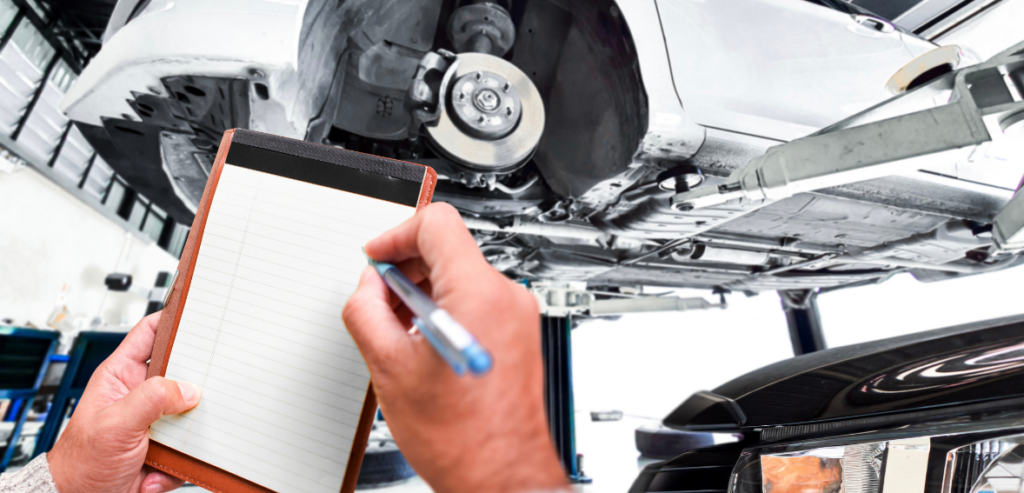
A vehicle checklist will enhance your client’s experience from the moment they enter your vehicle. It starts the experience that you want to create before the ride has even begun. It establishes consistency. It provides the reliability, cleanliness, and comfort your clients expect each time they ride with you.
Having a vehicle prep checklist is invaluable for spotting small issues before they become big problems. Issues such as a low tire pressure, a weak battery, obscured customer vision, an empty stock of water bottles, no charging cable, etc., may seem small, but they communicate a lack of attention to detail and professionalism from your company. Such oversights can result in delays, negative feedback, and even lost bookings.
Missed issues pose a real danger to safety, as does the NHTSA. Basic safety items, such as tire condition, lighting, and brake performance, are also critical to preventing road problems and crashes. A clean, well-prepared vehicle may impress your clients. A safe, reliable vehicle will build trust.
Start with the Client Experience in Mind
What a client expects as they open the door and step inside the vehicle should be the foundation of the best checklist. Most companies will focus their checklist items solely on mechanical aspects. While that is critical and important, that is only half of the job.
Consider the entire trip from the client’s perspective. A polished, clean vehicle will make a great initial impression. They will enjoy a clean cabin with comfortable seats, effective climate control, and plenty of room to spread out. There should be enough room for all of their bags, and the ride should be smooth enough that no one is jostled about the cabin. If water bottles are included in your service, they will be appreciated. The driver being prepared and on time is a big part of the trip, too.
By creating a checklist detailing customer expectations, operational requirements, and potential vehicle issues, a company can strengthen its reputation and brand loyalty. If every trip fulfills small details, brand loyalty and reputation can be achieved. Big promises are never the start of brand loyalty; it’s the little things that build it.
Five Core Areas for Checklists

It’s easier to use a checklist when organized into distinguishable sections. This organizational style guides the operator to a specific zone, helping them move through the checklist without missing any steps. Steps can be categorized into a vehicle’s safety, cleanliness, comfort, supplies, and trip readiness.
Safety is the number one concern, as the vehicle’s roadworthiness is the first step in a pre-trip inspection. This can be judged with factors including the tires, lights, mirrors, brakes, warning indicators, fluid levels, windshield wipers, and fuel or battery charge. A customer’s first impression is expected to be the best; for this, a vehicle aims to be clean: the exterior being free of dirt, and the interior being uncluttered and free of dust.
Comfort mainly refers to the climate, legroom, cabin, and the setup of the passenger area. A customer’s experience can be enhanced with hand sanitizer, tissues, and water. From a branded charger to an umbrella, the extra supplies offered are a step above the rest. A passenger should be personally and actively catered to, and this is achieved through proper route planning, ready luggage, client notes, preparation for special requests, and an accurate estimate.
The checklist remains flexible while style and organization remain clear to all team members.
Include Exterior Inspection Items That Reflect Professionalism
The exterior of your vehicle is like a storefront. If you neglect the exterior of your vehicle, many customers assume the interior is the same and that the service is low quality. This is why a quick exterior review should be included in your pre-trip checklist.
Look for dirt and damage on the car’s body. Review the windshield and windows for any damage and look for smudges. Adjust your mirrors and review the tread on your tires. Be sure that your headlights, brake lights, and turn signals work. If your vehicle has a branding decal, be sure it looks nice.
Details matter because of the image you present. The U.S. Department of Transportation encourages regular vehicle inspection and maintenance for operational safety. Even if your service is not a large commercial service, the same principle applies. Customers will always notice if your car is well-maintained.
Focus on Interior Cleanliness and Cabin Presentation
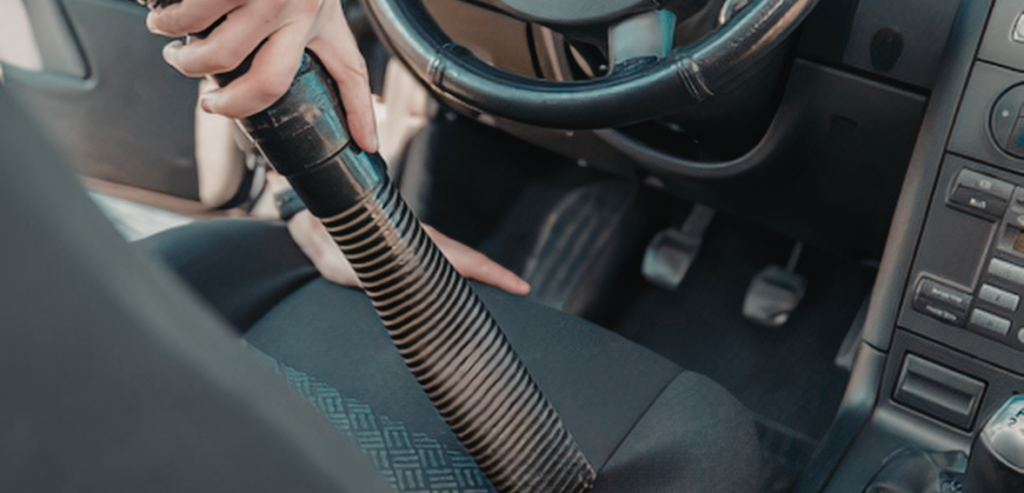
Interior presentation is often the strongest factor in client satisfaction. A spotless cabin sends a clear message that you respect the passenger’s comfort. A messy cabin, on the other hand, is a clear message that you do not care.
Before making any pickups, passengers should be given a thorough inspection of every vehicle, including the cleaning checklist instructions. How free the seats are from stains, hair, and other debris. How ugly and dirty the floor mats are. The coldness and cleanness of the armrests, door handles, and other places. How clear the streaks are on the windows from the inside. The mean and ugly trash. The lost and found items from previous passengers where they’re cleared according to company policy. Lovely and organized are the nice and calm luxuries of the service.
The smell shouldn’t be associated with a lovely, calm luxury service, so avoid strong, offensive fragrances that may bother passengers. Instead, use clean, neutral scents and ensure good ventilation. The CDC has also provided practical guidelines on cleaning high-touch surfaces in transportation settings that support hygiene and client confidence.
Check Comfort Features Before Every Pickup
Miserable rides are arguably the worst, and clients may not say anything during a nice, comfortable ride, but they will surely remember the experience if it is undesirable. Ensure every aspect that influences passenger experience is checked on the vehicle checklist.
If portable chargers are advertised as a service, ensure they are functioning, along with any other advertised in-cabin entertainment. If you offer other small amenities like tissues and bottled water, they should also be stocked. If you frequently service executive clientele or airport travelers, you should clear the luggage and other space before you depart.
The checklist is one of the ways businesses can build customer loyalty. When customers can feel comfortable, they can feel the business’s effort to care about more than just the destination.
Add Operational Checks That Prevent Delays
A clean vehicle is not enough if the trip begins late or gets interrupted by avoidable problems. Your pre-trip checklists should include a brief operational review that promotes reliability and punctuality.
Always ensure the battery or fuel charge is at a good level, and operational checks should include punctuality and reliability. When you review the route, make sure to check the address, the client’s contact information, any special notes, and traffic conditions. The estimated travel time, weather, parking access, toll requirements, and any other relevant details. Ensure the vehicle contains all the necessary permits, insurance, and registration. The driver needs to ensure their phone and the dispatch and GPS applications are fully charged.
These checks ensure calmness and professionalism, which are always a direct result of the type of customer experience offered during the trip.
Create a Standard Process Drivers Will Actually Follow

The best checklist is not the one with the most items, but the one that customers will use. Keeping the checklist simple is important.
Make your vehicle checklist easy to read and scan by avoiding unnecessary complexity. Use plain language to guide you. Use categories to show which checks are related and which ones are most important. Make sure your checklist is easy to complete in a couple of minutes after a routine trip. Use a longer version to check your vehicle at the start of the day or at the start of a long trip or shift. If possible, offer both a printed and a digital version of the checklist to accommodate different workflows.
Training is crucial to the checklist’s success. Drivers should be educated on how each item on the checklist contributes to the vehicle’s prep, the driver’s safety, and the passengers’ safety. When compliance improves, safety tips, and reviews correlate with repeat business. The checklist should be an instrument of success, not just another corporate mandate.
Tailor the Checklist to Your Type of Service
There are different expectations for the vehicle prep routine across industries. A luxury chauffeur service prioritizes cabin aesthetics and comfort. A field service or delivery business is concerned with practical elements of the vehicle: tools, navigation, and functionality. An airport transportation service has to focus on timing, communication, and luggage.
Your vehicle prep checklist should have a template with flexibility for custom modifications. A wedding or VIP service may want to include spontaneous checks for themed summer fun, like iced bevs, timed check-ins, or curated music. Medical transport providers focus on sanitization prep, social care, proximity, and passengers’ activities. A real estate professional would value the vehicle’s exterior, scent, and cabin.
When the checklist reflects the commitment made to the client, the service feels more refined and deliberate.
Use Digital Checklists to Streamline Your Operations
Many businesses still use paper forms, and that can work. But digital checklists, in most cases, help along a process that can be simplified and improved over time. Digital forms, such as a pre-trip vehicle inspection form, can be made to complete checklists before a driver begins a trip. They can help managers review patterns of certain issues, track them through to outcomes, and provide evidence that inspections were conducted.
This is particularly important if you oversee a fleet of drivers and vehicles.
Digital records provide greater control and accountability. They help identify where problems may be repeating, such as a driver needing more training, a vehicle requiring more frequent maintenance, or a route that is causing the most wear and tear. Ultimately, this improves the vehicle’s condition and the service provided to the customer.
Technology is not a final source of innovation. The innovation is consistency. A checklist cultivates consistency when it becomes a routine part of the process, rather than being used only when someone in a management position is watching.
Sample Pre-Trip Vehicle Prep Checklist Structure
A well-formulated checklist is easy and quick to complete and progresses in a logical way. A good example of this is: first, the car’s exterior condition; then the tires and lights; then the cleanliness of the interior; the comfort and climate settings; the available amenities and supplies; and finally, the route and any trip documentation.
This means that the driver will first inspect the car’s exterior, then the car’s interior and any trip documentation, before heading to pick up.
A well-internalized series of steps emphasizes what ought to be done, saves time, and reduces the risk of missing important things that ought to be done. A pre-trip vehicle prep checklist isn’t an extra task; it’s part of your service standard.
Impressions That Matter
These clients expect more than just that a vehicle survived a basic safety check. Things people may care about and may present a challenging task for operators to consider are things like the people’s focus on to the cleanliness of the vehicle, to the lack of the door being closed and the people sitting next to the charges, and the people’s sitting next to the lack of sitting people finishing. The lack of time is a common problem that leads to the checking and the lack of checking. The checklist isn’t updated to reflect client expectations, so people leave.
The client perceives the company as unreliable if they experience inconsistency. Thorough preparation by one client may be a poor standard, but firm checklists lose their usefulness if, for example, one client’s checklist preparation is not an option. A client does not expect the company to be self-reliant; quality is the only standard, and quality is the only choice.
How a Strong Checklist Supports Better Reviews and Repeat Business
Before the trip begins, customer loyalty is already established. A vehicle that is on time, clean, and comfortable is relaxing to the client. That matters because it creates a positive experience that extends beyond the initial reaction.
This is also why a pre-trip vehicle checklist is an asset. Better prep leads to strong reviews, more referrals, better tips in the service industry, and more frequent clients. It also decreases the likelihood of negative surprises. In a competitive marketplace, operational consistency becomes a hallmark of the brand.
Clients remember how the service made them feel. A prepped vehicle conveys respect, safety, and support. That is what keeps clients coming.
Conclusion
A pre-trip vehicle prep checklist should not be viewed simply as more paperwork. It serves to create a dependable framework that prioritizes safety, comfort, professionalism, and client trust. The best checklists are streamlined and repetitive to ensure vehicle readiness and an excellent client experience.
Cleaning the exterior, tidying the interior, testing comfort features, restocking supplies, and reviewing trip details minimize problems and enhance service quality. Clients appreciate this attention to detail, even if they don’t see the checklist. What impresses them is a business that looks prepared and dependable.
What ensures clients continue to return is prioritizing brand experience over a routine trip.
Frequently Asked Questions
What is a pre-trip vehicle prep checklist?
A pre-trip vehicle prep checklist outlines steps a vehicle owner or service provider should take to ensure the vehicle is safe, clean, and comfortable before serving a client. It usually includes an inspection of the tires (for air pressure and condition), lights, fluid levels, cleanliness, available amenities, and trip details.
Vehicle prep checklists are key in client-facing businesses because they are relevant to first impressions & problematic services. A nice-looking, clean, prep-work vehicle shows professionalism and safety, and offers a good client experience from the pickup.
How often do vehicles need prep checklists?
How often do you do vehicle prep checklists? Do an informal version every time. A more formal version is daily, at the end of your shift, or, for businesses with frequent travel, cover post-trip trips to keep uniformity.
What areas do checklists cover in client-centered businesses?
What to include in a client-centered business vehicle prep checklist? A vehicle prep checklist for clients should cover safety, exterior appearance, interior cleanliness, and temperature. Check for access to a charger, stocked supplies, and luggage space. Also, check the vehicle’s fuel level and mental readiness for the route.