
By John James March 26, 2026
Airports across the United States are becoming increasingly busy as passenger volumes continue to grow each year. Business travel, tourism, and corporate mobility needs have created an environment where airport terminals are often crowded, complex, and sometimes overwhelming for travelers. After a long flight, passengers typically want a smooth and predictable arrival experience, yet many encounter confusion when trying to locate their transportation.
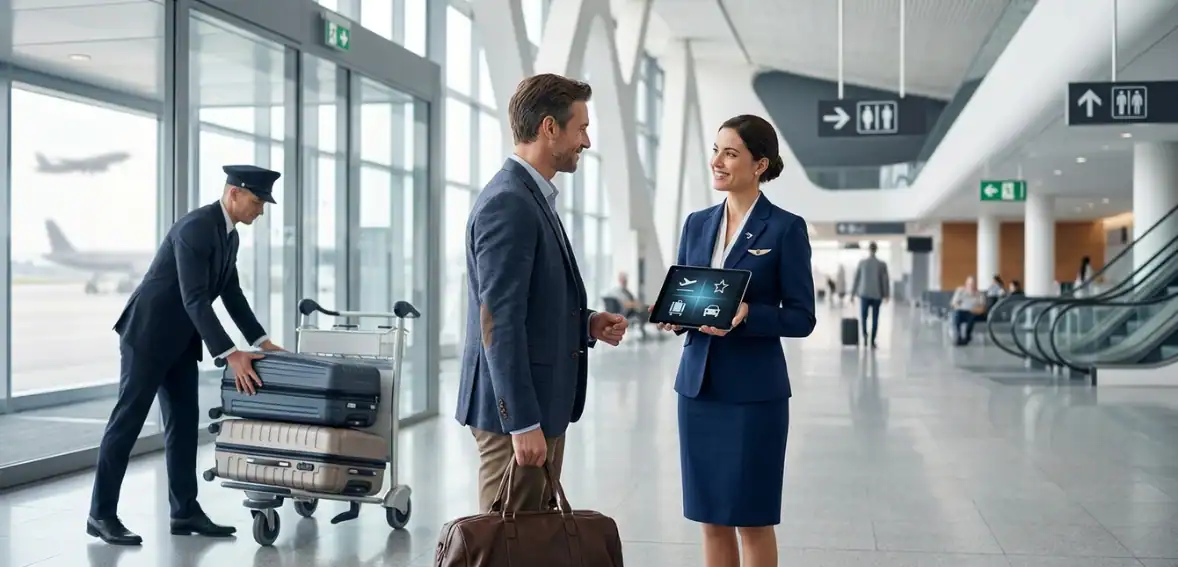
This is where a professional airport meet and greet service becomes essential. Instead of requiring passengers to navigate crowded pickup zones, a trained professional waits inside the terminal with a clearly displayed passenger name sign, assists with luggage, and escorts the traveler directly to their waiting vehicle. This process significantly improves the overall airport pickup experience by removing uncertainty and reducing stress.
However, not every transportation provider delivers this service at the same level. Some companies simply assign a driver and consider the job complete. Exceptional operators take a very different approach. They design structured processes, train their staff thoroughly, use technology effectively, and focus on delivering a premium VIP airport pickup experience that reflects professionalism from the moment the passenger arrives.
Understanding what great operators do differently helps transportation providers improve service quality and helps travelers recognize what true professional meet-and-greet service should look like.
Table of Contents
Understanding What a Professional Airport Meet-and-Greet Service Includes

A true limo airport meet and greet service involves far more than holding a sign inside the terminal. It is a coordinated service designed to provide a seamless transition from aircraft arrival to ground transportation.
Professional operators understand that passengers often face common frustrations after landing. These include difficulty locating their driver, uncertainty about pickup procedures, communication problems, and confusion caused by crowded terminals. A properly structured meet-and-greet service eliminates these problems by providing clear guidance and professional assistance immediately after arrival.
A complete meet-and-greet service typically includes flight tracking, arrival coordination, luggage assistance, professional greeting, and direct escort service. When executed correctly, these steps create a reliable arrival hall pickup process that reflects operational excellence.
Key Components of a High-Quality Meet-and-Greet Service
- A professional greeter is positioned at the correct arrival point
- Clearly printed chauffeur greeting sign
- Real-time flight monitoring
- Coordination between the chauffeur and the greeter
- Luggage assistance for passengers
- Escort service from the terminal to the vehicle
- Passenger communication before arrival
- Contingency planning for delays
When these components are consistently executed, passengers experience a smooth transition instead of confusion.
Why Busy Airports Require Higher Service Standards
Large airports create logistical challenges that require careful coordination. Flight delays, gate changes, traffic congestion, and security restrictions can quickly disrupt poorly planned pickups.
Professional operators understand that busy airports require proactive preparation rather than reactive problem-solving. They treat each airport meet and greet service as a planned operation rather than a simple pickup.
This approach allows them to maintain a consistent luxury airport transfer experience even when airport conditions change.
Common Challenges at Major Airports
- Flight delays and schedule changes
- Terminal and gate adjustments
- Passenger communication difficulties
- Traffic congestion near pickup areas
- Security restrictions affecting meeting points
- Long walking distances inside terminals
- Confusing pickup procedures
- High passenger traffic volumes
Great operators anticipate these challenges and prepare solutions in advance.
Preparation Is What Separates Good Operators from Great Ones
Preparation is the single biggest factor that separates average transportation providers from exceptional ones. The quality of a meet-and-greet service is usually determined before the passenger even lands.
Great operators begin preparing hours before arrival. They confirm passenger information, monitor flight progress, assign greeters, and coordinate chauffeur timing. This preparation ensures the passenger experiences a smooth and predictable airport pickup experience.
Preparation also demonstrates professionalism and reliability.
Pre-Arrival Planning Steps Used by Top Operators
- Monitoring flights for delays or early arrivals
- Confirming passenger contact information
- Verifying arrival terminal details
- Assigning trained greeters
- Preparing professional passenger name sign displays
- Coordinating chauffeur arrival timing
- Planning alternate pickup strategies
- Reviewing airport delay information
Proper preparation prevents service failures and improves customer satisfaction.
Professional Appearance Creates Immediate Passenger Confidence
First impressions strongly influence customer perception. The meet-and-greet professional is often the first representative a passenger encounters after arrival. Their appearance and professionalism immediately shape the passenger’s opinion of the service provider.
Top transportation companies enforce strict appearance standards to ensure consistency. This includes dress code requirements, professional communication, and confident presentation.
A professional appearance reassures passengers that they are working with a reliable provider.
Presentation Standards Maintained by Professional Operators
- Business attire or approved company uniform
- Clean and readable chauffeur greeting sign
- Professional posture and body language
- Clear and polite greeting style
- Correct pronunciation of passenger names
- Cultural awareness and sensitivity
- Discreet handling of VIP travelers
- Immediate offer of luggage assistance
These small details help create a strong first impression.
Why Signage Quality Plays a Critical Role in Passenger Experience
Signage quality is often overlooked but plays an important role in passenger experience. A poorly written or handwritten sign can create confusion and reduce confidence in the transportation provider.
Professional companies standardize signage design to ensure readability and consistency. A properly designed chauffeur greeting sign allows passengers to quickly identify their greeter even in crowded arrival areas.
Signage is often the first visual representation of service quality.
Signage Best Practices Used by Leading Transportation Companies
- Large and readable font styles
- Accurate passenger name spelling
- Professional printed materials
- Clean and durable sign holders
- Digital display options were permitted
- Backup signage preparation
- Proper positioning for visibility
- Consistent formatting standards
Attention to signage quality improves the effectiveness of the airport meet and greet service.
Communication Is the Foundation of a Smooth Pickup Experience
Communication failures are one of the most common reasons airport pickups fail. Without clear communication, passengers may not know where to meet their greeter, and chauffeurs may not know when the passenger is ready.
Professional operators implement structured communication systems connecting dispatchers, chauffeurs, and greeters. This ensures everyone involved understands timing and responsibilities.
Clear communication builds trust and reduces confusion.
Communication Practices Used by High-Performing Operators
- Automated arrival notifications
- Passenger text message updates
- Chauffeur arrival confirmations
- Greeter status updates
- Dispatch monitoring of trip progress
- Backup communication procedures
- Passenger reassurance updates
- Clear meeting instructions
Strong communication improves the overall service experience.
How Technology Improves Meet-and-Greet Efficiency

Technology has become essential in modern transportation operations. Professional companies use software platforms to coordinate scheduling, monitor flights, track chauffeurs, and communicate with passengers.
Technology reduces errors and improves coordination between team members. Companies using advanced systems typically deliver a more reliable VIP airport pickup service.
Technology also allows operators to scale operations while maintaining service consistency.
Technology Tools Used by Professional Operators
- Automated flight tracking systems
- https://cloudlimomanager.com/Chauffeur dispatch software
- GPS vehicle monitoring
- Passenger communication automation
- Digital trip management platforms
- Delay management workflows
- Greeter coordination tools
- Performance reporting systems
Technology supports consistency and reliability.
Training Programs Define Service Excellence
Well-trained staff is essential for delivering consistent meet-and-greet experiences. Technology supports operations, but employees ultimately deliver service quality.
Professional companies invest in structured training programs covering customer service, airport procedures, and problem resolution.
Training ensures every passenger receives a consistent experience.
Training Areas Used by Leading Operators
- Customer service professionalism
- Airport navigation knowledge
- Problem resolution techniques
- VIP service expectations
- Confidentiality practices
- Emergency awareness procedures
- Cultural sensitivity training
- Communication best practices
Training directly influences service quality.
Managing Flight Delays Without Reducing Service Quality
Flight delays are unavoidable in aviation. What separates great operators is how they respond to these disruptions.
Professional companies continuously monitor flights and automatically adjust schedules when delays occur. This ensures passengers never worry about whether their transportation will still be available.
Effective delay management protects the airport pickup experience.
Delay Management Practices Used by Great Operators
- Continuous real-time flight tracking
- Automatic schedule adjustments
- Updated greeter assignments
- Chauffeur timing coordination
- Passenger reassurance communication
- Dispatch supervision of delays
- Backup staff availability
- Clear contingency procedures
These processes maintain reliability.
Creating a True Luxury Airport Transfer Experience
Luxury service is defined by how effortless the experience feels. Great operators focus on removing friction from the arrival process.
Every interaction should feel organized, predictable, and comfortable. A true luxury airport transfer focuses on convenience rather than just transportation.
Passengers remember efficiency more than features.
Service Details That Improve VIP Airport Pickup Quality
- Immediate greeting after baggage claim
- Assistance provided proactively
- Direct escort to the vehicle
- Minimal waiting time
- Professional chauffeur introduction
- Immaculate vehicle presentation
- Door assistance
- Smooth transition from terminal to vehicle
Attention to detail defines premium service.
Compliance and Safety Still Define Professional Operators
Professional transportation providers must balance service quality with regulatory compliance. Understanding airport procedures prevents delays and operational risks.
Compliance demonstrates professionalism and protects service reliability.
Compliance Standards Followed by Professional Companies
- Airport commercial permits
- Pickup zone regulations
- Security meeting location rules
- Insurance requirements
- Driver credential verification
- Vehicle inspection standards
- Local transportation regulations
- Accessibility compliance requirements
Professional operators always prioritize compliance.
Standard Operating Procedures Create Service Consistency
Consistency is essential for maintaining a strong reputation. Professional companies document their meet-and-greet procedures to ensure uniform service delivery.
Standard operating procedures reduce variability and improve reliability.
Examples of Meet-and-Greet Standard Procedures
- Standard greeting procedures
- Sign formatting standards
- Passenger wait time policies
- Delay response workflows
- Lost passenger procedures
- Escalation protocols
- VIP handling guidelines
- Quality control checklists
Consistency improves customer trust.
Personalization Helps Build Long-Term Customer Relationships

Passengers value service providers that remember their preferences. Personalization helps transform a routine pickup into a relationship-building experience.
Top operators maintain customer profiles to improve future service delivery.
Personalization Strategies Used by Elite Operators
- Remembering passenger name preferences
- Preferred vehicle selections
- Climate control preferences
- Luggage assistance expectations
- Accessibility requirements
- Greeting preferences
- Corporate traveler notes
- Frequent traveler standards
Personalization encourages repeat business.
Measuring Performance Helps Companies Improve Service
Professional companies rely on performance metrics to improve operations. Measuring results helps identify improvement opportunities.
Tracking performance helps maintain a strong limo airport meet-and-greet reputation.
Key Performance Indicators Used by Professional Operators
- Passenger wait times
- On-time greeter arrival rates
- Flight tracking accuracy
- Customer satisfaction ratings
- Complaint frequency
- Chauffeur arrival timing
- Service completion efficiency
- Repeat booking percentages
Data helps companies improve service quality.
Common Mistakes That Reduce Service Quality
Many service failures occur due to a lack of planning rather than a lack of effort. Understanding common mistakes helps companies avoid them.
Avoiding these issues improves the airport meet and greet service experience.
Mistakes Professional Operators Avoid
- Failure to track flights
- Poor communication coordination
- Unprofessional signage
- Late greeter arrival
- Confusing pickup instructions
- Lack of employee training
- No delay management process
- No quality control standards
Avoiding these mistakes improves reliability.
The Future of Airport Meet-and-Greet Services
The meet-and-greet industry continues evolving as passenger expectations increase. Technology and automation will continue shaping service delivery.
Companies that adapt early will remain competitive.
Future Trends in Meet-and-Greet Services
- Artificial intelligence dispatch systems
- Predictive delay management
- Digital passenger communication
- Contactless greeting workflows
- Real-time service dashboards
- Integrated airport data systems
- Smart chauffeur coordination
- Automated quality monitoring
Innovation will define future leaders.
Conclusion
A great airport meet and greet service is not defined by simply meeting a passenger at the airport. It is defined by preparation, communication, professionalism, and operational consistency. The best transportation providers understand that every airport arrival represents an opportunity to demonstrate reliability and service excellence.
By investing in planning, staff training, technology, and customer experience, transportation companies can transform a routine pickup into a premium VIP airport pickup experience. Companies that treat meet-and-greets as a structured operational process rather than a basic task consistently outperform their competitors.
As airports continue becoming more complex, passengers will increasingly value transportation providers that simplify the arrival process. Companies that focus on efficiency, professionalism, and passenger satisfaction will continue leading the industry.
FAQs
What is an airport meet and greet service?
An airport meet and greet service is a transportation service where a professional greeter meets passengers inside the terminal, assists with luggage, and escorts them to their vehicle.
What makes a VIP airport pickup different from a standard pickup?
A VIP airport pickup includes a professional greeting, luggage assistance, direct escort service, and a more structured and comfortable airport pickup experience.
Who benefits most from meet and greet services?
Business travelers, corporate clients, elderly passengers, families, and first-time travelers benefit most from meet-and-greet services.
Why is a passenger name sign important in airport pickups?
A passenger name sign helps travelers quickly identify their greeter in crowded arrival areas and improves pickup efficiency.
How can transportation companies improve their airport pickup experience?
Transportation companies can improve service by using flight tracking, improving communication, training employees, standardizing procedures, and using operational technology.