By Pavan Kumar March 30, 2026
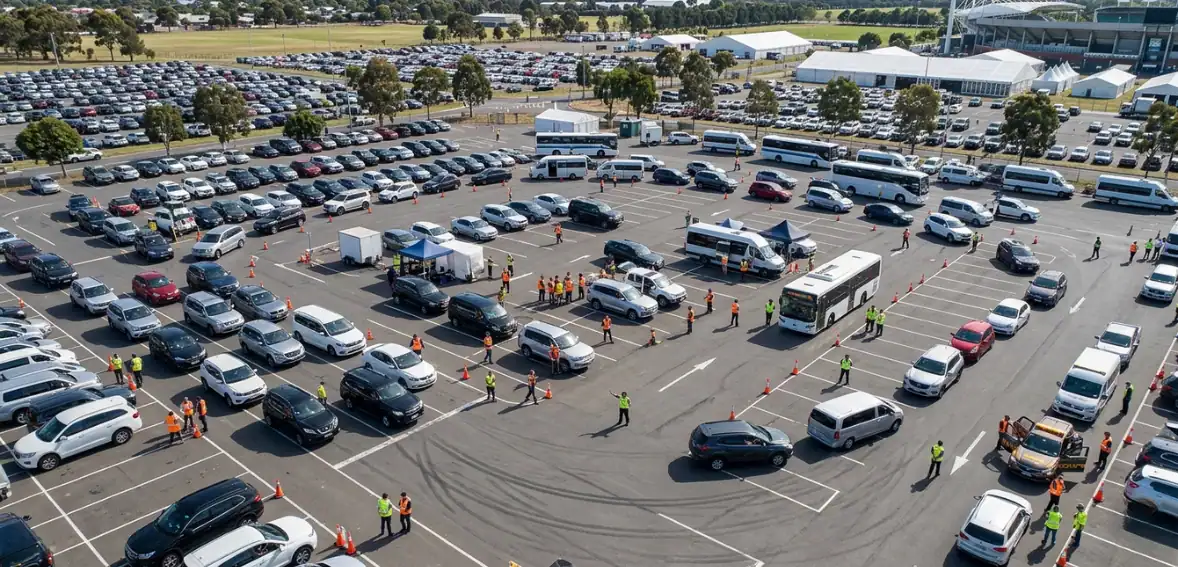
Running transportation for a large event sounds simple at first. You book vehicles. You assign drivers. You create a schedule.
But real events are never that simple.
One delayed flight, one wrong pickup address, or one missed instruction can quickly turn into dozens of phone calls, confused drivers, and frustrated clients. This is especially true when managing multi-vehicle event transportation, where even small mistakes can affect the entire operation.
Whether you are handling wedding transportation, corporate conferences, sports teams, or VIP group travel, success comes down to one thing: clear planning and detailed coordination.
This guide explains exactly how professional operators manage group transportation planning, prevent last-minute chaos, and run smooth multi-vehicle events without stress.
Table of Contents
Why Multi-Vehicle Event Transportation Fails Without Proper Planning
Many event transportation problems do not happen because of bad drivers or bad vehicles. They happen because of missing information.
When events involve multiple vehicles, mistakes usually come from poor coordination, unclear pickup timing, incomplete passenger details, lack of communication between dispatch and drivers, and last-minute schedule changes. Without structured fleet event coordination, transportation teams end up reacting to problems instead of preventing them.
Successful operators take a different approach. They build detailed plans before the event starts. Proper preparation eliminates driver confusion, reduces client frustration, prevents dispatch overload, improves timing accuracy, and removes uncertainty from operations. Good planning turns complex transportation into an organized and predictable system instead of a stressful situation.
Understanding the Complexity of Group Transportation Planning

Managing one vehicle is dispatching. Managing multiple vehicles is logistics.
Large events require structured group pickup planning, scheduling discipline, and clear communication systems. Each vehicle must operate as part of a connected schedule rather than as an independent trip.
For example, a wedding may require guest shuttles from multiple hotels, VIP transportation, vendor transportation, airport pickups, and return transportation late at night. Corporate events may involve airport arrivals throughout the day, hotel transfers, executive movements, speaker transfers, and evening event transportation. Each movement must fit into a larger timeline.
Professional conference transportation management focuses on timing accuracy, passenger grouping, route optimization, driver instructions, communication planning, and contingency preparation. Without this structure, dispatch teams spend most of their time solving preventable problems instead of managing operations efficiently.
The Foundation of Fleet Event Coordination
Every successful multi-vehicle event starts with a centralized operational plan.
Professional transportation companies never rely on memory, scattered notes, or email threads. They build a master event document that controls the entire transportation operation from beginning to end.
A strong coordination system includes master schedules, vehicle assignments, driver assignments, pickup locations, contact information, special instructions, and backup plans. Strong fleet event coordination ensures nothing is forgotten, nothing is assumed, and nothing is unclear.
This level of preparation is what separates professional operations from reactive ones. The more organized the event plan is, the smoother the execution becomes.
Building a Master Event Transportation Plan
A master transportation plan acts as the backbone of successful execution. This document should answer every operational question before the event begins, so dispatch teams are never guessing.
A strong master plan includes essential event details such as event name, event date, main contact, backup contact, service locations, and service hours. It should also include vehicle planning details like vehicle types, capacity assignments, driver assignments, and staging locations.
Schedule planning should cover pickup times, buffer times, travel estimates, loading times, and return schedules. Passenger planning should include group names, guest counts, VIP lists, accessibility needs, and special service instructions.
Good multiple vehicle dispatch depends on complete and organized information. Without it, dispatch teams spend event day searching for answers instead of controlling the operation.
Creating Clear Event Trip Notes That Drivers Actually Use
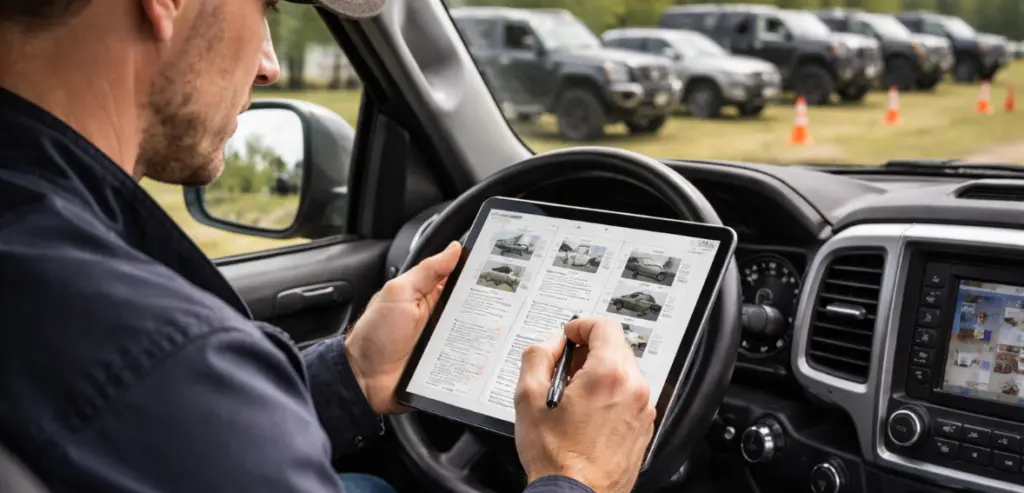
Drivers should never have to guess details during an event. Clear event trip notes remove confusion and significantly reduce unnecessary calls to dispatch.
Professional trip notes should always include exact pickup addresses, entrance instructions, pickup contacts, parking instructions, and waiting procedures. Passenger details should include names, group identification, headcount, VIP recognition, and special instructions.
Timing rules should clearly explain arrival expectations, wait time policies, early arrival rules, and late passenger procedures. Event instructions may also include dress requirements, signage expectations, greeting procedures, and venue-specific rules.
When drivers receive clear and structured information, they operate with confidence and independence. This preparation is one of the most effective ways to eliminate last-minute operational issues.
How Wedding Shuttle Logistics Require Extra Precision
Weddings require exceptional attention to detail because transportation mistakes can affect once-in-a-lifetime moments. That is why wedding shuttle logistics must be planned with precision.
Wedding transportation planning must consider guest arrival timing, ceremony schedules, photography timelines, reception coordination, and late-night safety transportation. Unlike corporate events, wedding timelines often cannot be adjusted.
Important planning includes hotel pickup coordination, multiple hotel scheduling, shuttle rotation timing, and end-of-night return planning. VIP transportation must also be carefully organized for the wedding party and immediate family.
Professional operators treat weddings like production schedules rather than simple reservations. This level of discipline prevents mistakes and ensures the event timeline stays intact.
Managing Conference Transportation Without Constant Dispatch Calls
Corporate events often involve large numbers of attendees arriving at different times. Without structured systems, dispatch teams quickly become overwhelmed.
Strong conference transportation management focuses on reducing communication overload by ensuring drivers receive complete instructions before service begins. Pre-event coordination may include tracking arrival schedules, grouping attendees, organizing speaker transportation, and preparing executive movements.
Communication structure is also critical. Successful operations establish one transportation coordinator, a clear dispatch communication chain, structured driver reporting rules, and emergency contacts.
Movement planning includes hotel shuttle loops, venue transfer waves, VIP routing, and staff transportation. Risk planning includes preparing for weather delays, flight changes, traffic disruptions, and backup vehicle needs. Preparation minimizes emergency reactions and improves operational stability.
The Role of Multiple Vehicle Dispatch in Event Success
Dispatch complexity increases when several vehicles operate simultaneously. Strong multiple vehicle dispatch depends on complete operational visibility.
Dispatch teams must always know vehicle locations, passenger status, next assignments, delays, and completed trips. Strong operations rely on GPS tracking, real-time status updates, arrival confirmations, and trip progress monitoring.
Communication protocols should require drivers to report arrival, passenger boarding, trip progress, trip completion, and availability status. When dispatch maintains clear visibility, they maintain control over the entire event operation.
Preventing Last-Minute Changes From Breaking Your Plan
Last-minute changes are unavoidable in event transportation. Experienced operators expect changes and prepare flexible systems instead of reacting emotionally.
Common changes include flight delays, guest delays, venue schedule changes, weather disruptions, and traffic incidents. Smart companies prepare buffer time between trips, flexible staging vehicles, backup drivers, spare vehicles, and alternate routes.
They also establish structured communication processes so clients know how to request changes, dispatch knows how to update schedules, and drivers receive timely updates. Prepared teams do not panic when changes happen. They adjust because they planned for flexibility.
Group Pickup Planning That Prevents Confusion
Many transportation delays begin at pickup points. Clear group pickup planning prevents confusion for both passengers and drivers.
Successful planning requires exact pickup points, landmark references, entrance descriptions, and clear instructions. Passengers should receive pickup time windows, arrival recommendations, contact numbers, and identification instructions.
Drivers should know exactly where to wait, how long to wait, who to contact, and when to depart if passengers are missing. Clear pickup planning prevents delays that can disrupt the entire event transportation chain.
Communication Systems That Eliminate Operational Stress
Communication is often the biggest factor in transportation success or failure. Even strong plans fail without clear communication systems.
Professional companies establish structured communication rules. Client communication should include one main contact, one backup contact, and a clear change approval process.
Driver communication should include dispatch reporting rules, escalation procedures, and delay reporting processes. Internal communication should ensure operations managers, dispatchers, and coordinators share the same updated information.
Clear communication reduces confusion, prevents misunderstandings, and allows teams to solve problems quickly.
Emergency Planning Every Transportation Company Needs
Professional transportation companies prepare for problems before they happen. Emergency planning protects both operations and client relationships.
Preparation includes backup vehicle access, replacement timing plans, and driver reassignment procedures. Weather preparation includes alternate routing, delayed communication processes, and safety procedures.
Companies should also prepare for medical situations with emergency contacts and reporting procedures. Operational disruptions like traffic incidents, road closures, and venue access changes should also be considered.
Prepared operators remain calm because they already know their response plan.
Technology That Makes Multi-Vehicle Events Easier to Manage
Modern transportation companies rely on technology to reduce human error and improve coordination.
Technology improves scheduling accuracy, dispatch visibility, driver communication, client updates, and trip documentation. Strong systems help manage multi-vehicle event transportation, driver schedules, fleet assignments, and event timelines.
Technology does not replace good planning, but it strengthens execution and reduces operational risk.
Standard Operating Procedures That Prevent Mistakes
Professional transportation companies rely on standard operating procedures rather than memory. These procedures ensure consistency across every event.
Pre-event procedures should include trip verification, driver briefings, vehicle inspections, and schedule confirmation. Event day procedures should include dispatch monitoring, status tracking, issue escalation, and change documentation.
Post-event procedures should include trip reviews, issue documentation, client feedback evaluation, and operational improvement planning. Consistency creates reliability, and reliability builds long-term client trust.
Training Drivers for Event Transportation Success
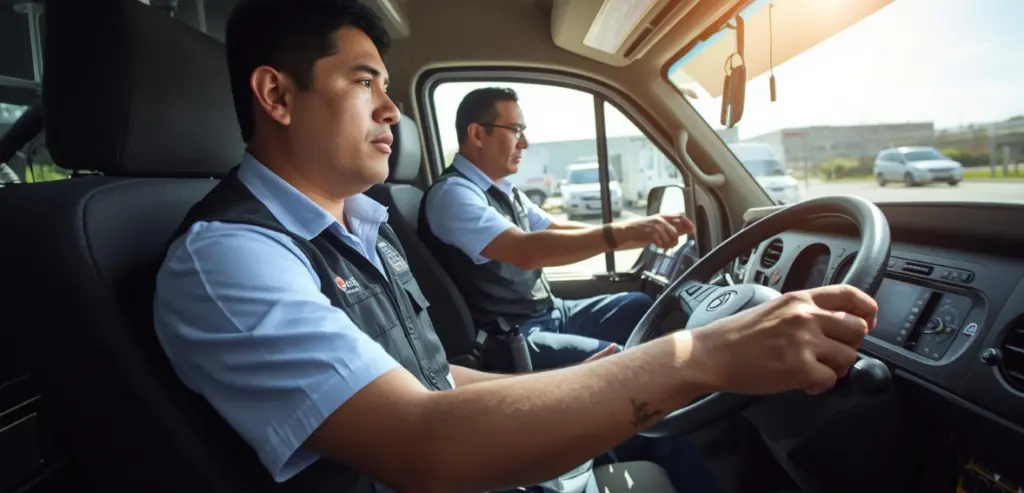
Drivers represent the company during events. Even perfect planning cannot succeed without professional drivers.
Training should include greeting etiquette, professional appearance standards, and proper communication practices. Drivers should also understand event schedules, VIP sensitivity, and timing importance.
They should also be trained in delayed communication, passenger issue handling, route adjustments, and operational discipline, such as following trip notes and reporting status updates.
Well-trained drivers significantly reduce operational risk and improve client satisfaction.
Final Quality Checks Before Event Day
Professional companies always perform final verification before event day to eliminate preventable mistakes.
Final checks include schedule verification, route review, buffer confirmation, driver assignments, vehicle readiness, and backup availability. Information reviews should confirm trip note accuracy, contact details, and passenger counts.
Communication reviews should confirm client details, driver briefings, and dispatch readiness. Preparation always reduces surprises and improves operational confidence.
Conclusion
Running successful multi-vehicle events is not about working harder but about working with structure, preparation, and clear coordination. Transportation companies that consistently deliver smooth events focus on detailed planning, accurate trip notes, strong dispatch visibility, and clear communication between clients, drivers, and operations teams. When every movement is planned and every instruction is documented, the chances of missed pickups, timing confusion, and last-minute calls drop significantly. This is why experienced operators treat multi-vehicle event transportation as a logistics operation rather than just a set of bookings.
Whether managing wedding shuttle logistics, corporate conferences, or large group movements, the most successful transportation providers rely on disciplined processes and proactive preparation. Strong group transportation planning, organized fleet event coordination, and well-managed multiple vehicle dispatch systems allow companies to stay in control even when unexpected changes happen. In the end, transportation companies that invest time in preparation always deliver better event experiences, build stronger client trust, and operate with far less stress on event day.
FAQs
What is the biggest challenge in multi-vehicle event transportation?
The biggest challenge is maintaining clear coordination between vehicles, drivers, and schedules. Without strong planning and communication systems, small timing issues can quickly create large operational problems.
How far in advance should group transportation planning begin?
Large events should begin transportation planning several weeks in advance. Complex events involving multiple vehicles may require months of preparation.
How do transportation companies avoid last-minute dispatch calls?
Companies reduce last-minute calls by creating detailed event trip notes, clear driver instructions, and structured communication procedures before the event begins.
Why is conference transportation management more complex than regular trips?
Conference transportation involves large passenger volumes, multiple schedules, VIP coordination, and strict timing dependencies requiring structured logistics planning.
What makes wedding shuttle logistics different from corporate transportation?
Wedding transportation requires strict ceremony timing coordination, emotional importance for clients, and safety planning for guest return travel, making precision essential.