
By Pavan Kumar March 27, 2026
For limousine operators across the United States, wedding and prom season is not just another busy period. It is the most important revenue window of the year. Between March and June, transportation companies typically experience their highest demand, their most detail-oriented clients, and their most complex scheduling challenges.
Weddings and proms are once-in-a-lifetime events. Customers are not simply paying for transportation. They are paying for reliability, luxury, safety, punctuality, and a flawless experience. Because expectations are high, preparation must start long before the first booking arrives.
The most successful limo operators do not wait until their calendars are full. They prepare their fleet, drivers, pricing strategies, operational systems, and vendor relationships months in advance. Early preparation reduces risk, improves efficiency, and allows companies to secure the most profitable bookings.
This article explains what professional limo operators should secure early to prepare for peak demand. With proper planning for wedding and prom season, and strong limousine operator strategies, companies can turn their busiest months into their most profitable period while maintaining service quality and operational control.
Table of Contents
Why Wedding and Prom Season Is the Most Critical Time for Limo Businesses

Wedding and prom season creates one of the most intense demand periods in the limo business’s peak season calendar. Proms, weddings, graduations, and formal events often occur within the same 10- to 12-week period. This creates strong competition for vehicles, drivers, and time slots.
For many operators, this season can account for a significant portion of their annual revenue. However, it also creates risk. Without proper wedding transportation planning and prom transportation management, companies may experience overbooking, driver shortages, vehicle failures, and customer dissatisfaction.
Early preparation helps limo operators
- Secure high-value reservations
- Optimize fleet usage
- Reduce scheduling conflicts
- Improve customer satisfaction
- Increase revenue opportunities
- Reduce operational stress
Demand patterns show that many customers book transportation months in advance. Operators who prepare early position themselves to capture these early reservations rather than relying on last-minute bookings that often bring lower margins and higher risk.
Companies that plan early operate with control. Companies that delay preparation often operate reactively.
Demand Forecasting Should Start Months in Advance
One of the most common mistakes in a limousine business growth strategy is waiting for reservations instead of predicting them. Historical data provides valuable insight into when demand will peak and what resources will be required.
Professional operators review past data such as booking patterns, vehicle demand, popular event dates, and revenue trends. This allows better limo fleet management decisions and smarter resource allocation.
Important forecasting data includes:
- Previous peak booking dates
- Most requested vehicle types
- Average rental duration
- Revenue per booking
- Cancellation patterns
- Regional event calendars
Using this information helps operators prepare vehicles, adjust staffing levels, and improve chauffeur scheduling before the rush begins.
Technology also plays an important role. Modern reservation platforms allow companies to identify demand trends and booking patterns. These insights allow better planning and prevent operational surprises.
Early forecasting helps identify:
- Fleet expansion needs
- Driver hiring requirements
- Maintenance schedules
- Software limitations
- Insurance updates
Companies that forecast demand properly typically operate with fewer disruptions during peak season.
Fleet Preparation Should Be Completed Before Demand Peaks
Fleet condition directly impacts reputation. A vehicle problem during a wedding or prom booking can permanently damage customer trust.
Preparation should always include preventive maintenance and appearance upgrades. Vehicles should be fully inspected before peak demand begins.
Fleet preparation should focus on the following areas.
Vehicle Inspection Priorities
- Brake system inspections
- Tire wear evaluation
- Engine performance checks
- Air conditioning testing
- Exterior lighting verification
- Safety equipment inspections
Interior Experience Improvements
- Deep interior cleaning
- Upholstery conditioning
- Sound system testing
- Ambient lighting checks
- Passenger comfort amenities
- Refreshment preparation
Backup Capacity Planning
- Backup vehicle availability
- Affiliate partnerships
- Rental agreements
- Emergency substitution plans
Customers expect vehicles to look flawless. Clean interiors, working technology, and luxury presentation all contribute to the overall experience.
Vehicle diversity also improves booking opportunities. Some customers request stretch limousines, while others prefer SUVs or luxury vans. Offering multiple vehicle categories improves booking potential and reduces lost opportunities.
Chauffeur Scheduling and Hiring Must Be Done Early

Even the best fleet cannot generate revenue without qualified chauffeurs. Chauffeur scheduling becomes one of the biggest operational challenges during peak season.
Hiring must begin early to allow time for screening, onboarding, and training.
Staffing preparation should focus on the following areas.
Driver Recruitment Planning
- Seasonal hiring strategies
- Background screening
- License verification
- Insurance eligibility checks
- Customer service evaluation
Training Priorities
- Professional etiquette standards
- Event transportation timing
- Safety procedures
- Emergency response handling
- Dispatch software usage
Schedule Management Planning
- Driver availability tracking
- Shift planning
- Overtime prevention
- Backup driver lists
Chauffeurs are a critical part of the service experience. They must understand formal event expectations, punctuality requirements, and professional conduct.
Early staffing preparation improves reliability and helps prevent last-minute shortages.
Booking Policies and Contracts Should Be Finalized Early
Clear policies protect limo operators from financial risk and confusion. Peak season increases the likelihood of schedule changes and cancellations, making contracts essential.
Operators should establish clear booking policies covering the following areas.
Reservation Terms
- Deposit requirements
- Payment deadlines
- Cancellation terms
- Rescheduling policies
- Overtime billing rules
Contract Protection Measures
- Service timelines
- Customer responsibilities
- Damage liability policies
- Insurance disclosures
- Service guarantees
Communication Procedures
- Reservation confirmations
- Trip reminders
- Itinerary approvals
- Emergency contacts
Clear agreements reduce misunderstandings and help protect profitability.
Technology Systems Should Be Optimized Before Peak Season
Technology failures during peak demand can cause serious operational problems. Double bookings, missed pickups, and billing issues often result from outdated systems.
Modern limo operators depend on technology to manage reservations, dispatching, and customer communication.
Technology preparation should include the following priorities.
Software System Readiness
- Reservation system testing
- Dispatch workflow verification
- Mobile driver application testing
- Payment processing validation
- CRM data review
Automation Improvements
- Automated confirmations
- Payment reminders
- Trip status notifications
- Driver communication alerts
Data Protection Measures
- Data backup systems
- Security updates
- Access permissions
- System redundancy planning
Technology allows operators to scale operations without increasing administrative workload. Companies still using manual scheduling methods often struggle during high-volume periods.
Vendor Relationships Should Be Secured Early
Vendor partnerships provide operational flexibility. During peak demand, affiliate partners can help cover overflow bookings instead of forcing companies to decline business.
Important vendor relationships include the following.
Transportation Partnerships
- Affiliate limousine companies
- Charter transportation providers
- Shuttle operators
Maintenance Vendors
- Repair facilities
- Tire suppliers
- Detailing companies
Event Industry Connections
- Wedding planners
- Event venues
- Hotels
- Prom organizers
Strong partnerships allow businesses to maintain reliability even during unexpected demand spikes.
Pricing Strategy Should Be Defined Before the Season Begins
Peak demand allows operators to improve revenue through strategic pricing. However, pricing must be structured carefully to remain competitive while maximizing profitability.
A pricing strategy should include the following elements.
Rate Structure Planning
- Peak season pricing tiers
- Minimum hourly requirements
- Package pricing options
- Group transportation pricing
- Premium vehicle pricing
Revenue Optimization Strategies
- Early booking incentives
- Package upgrades
- Add-on services
- Premium time slot pricing
Transparent pricing builds trust while ensuring financial sustainability.
Marketing Campaigns Should Launch Before Booking Season Starts
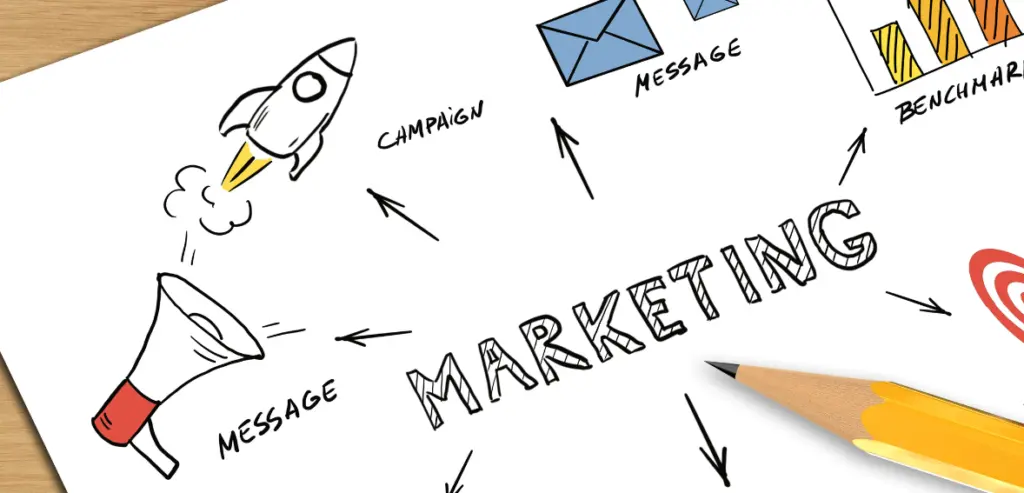
Marketing should begin before customers actively begin searching. Early visibility increases the likelihood of securing premium bookings.
Marketing preparation should include the following priorities.
Digital Marketing Improvements
- Website updates
- Booking page optimization
- Service page improvements
- Search visibility improvements
Campaign Planning
- Early reservation promotions
- Wedding transportation guides
- Prom safety messaging
- Seasonal service packages
Reputation Development
- Customer review collection
- Testimonial publishing
- Case study development
- Referral programs
Companies that begin marketing early typically secure higher-quality bookings than those relying on last-minute promotions.
Customer Experience Planning Should Be a Priority
Customer experience is often the biggest differentiator during wedding transportation planning. Clients remember reliability and professionalism long after the event ends.
Experience planning should focus on consistency and professionalism.
Service Consistency Standards
- Standard operating procedures
- Quality control checklists
- Driver appearance standards
- Communication guidelines
Customer Communication Planning
- Confirmation emails
- Timeline coordination
- Reminder messages
- Post-service follow-up
Experience Enhancements
- Welcome amenities
- Personalized music options
- Event coordination support
- Custom service requests
Memorable experiences often lead to referrals and repeat business.
Risk Management and Safety Planning Cannot Be Ignored
Safety is especially important during prom transportation management because parents prioritize secure transportation providers.
Risk preparation should include the following measures.
Compliance Requirements
- Insurance verification
- License validation
- Vehicle safety inspections
- Regulatory compliance review
Chauffeur Safety Training
- Defensive driving training
- Emergency response procedures
- Incident documentation
- Passenger safety protocols
Operational Risk Planning
- Weather contingency plans
- Traffic monitoring
- Route alternatives
- Emergency communication plans
Companies that emphasize safety often gain trust faster than competitors.
Scheduling Efficiency Can Make or Break Profitability
Efficient scheduling directly impacts revenue. Poor scheduling reduces vehicle utilization and increases stress.
Scheduling improvements should include the following strategies.
Time Buffer Planning
- Traffic allowances
- Cleaning time
- Driver rest periods
- Refueling time
Routing Strategy
- Geographic trip grouping
- Traffic analysis
- Route optimization
- Backup route planning
Dispatch Coordination
- Real-time communication
- GPS tracking
- Trip monitoring
- Driver status updates
Precise scheduling improves efficiency and prevents service disruptions.
Early Booking Incentives Can Secure High-Value Clients
Encouraging early bookings stabilizes revenue and improves planning accuracy.
Effective incentive strategies include the following.
Early Reservation Incentives
- Early booking discounts
- Complimentary upgrades
- Additional service time
- Bonus amenities
Loyalty Incentives
- Repeat customer benefits
- Referral rewards
- Planner partnerships
Package Development
- Wedding transportation bundles
- Prom group packages
- Multi-event discounts
Early reservations reduce uncertainty and allow better operational planning.
Operations Checklists Help Maintain Consistency
Checklists improve reliability during busy periods. Organized processes reduce errors.
Important checklist categories include the following.
Pre-Season Preparation Checklist
- Fleet inspections completed
- Hiring finalized
- Pricing approved
- Marketing campaigns active
- Vendor agreements signed
Weekly Operations Checklist
- Vehicle readiness reviews
- Driver schedule confirmations
- Reservation audits
- Maintenance updates
Daily Operations Checklist
- Trip confirmations
- Vehicle preparation checks
- Driver briefings
- Dispatch monitoring
Operational discipline helps maintain service quality even during peak demand.
Conclusion
The wedding and prom season represents the greatest opportunity for growth in the limousine industry. It also represents the period of highest operational complexity. Companies that succeed are those that prepare early, invest in systems, and operate with discipline.
Successful limo operator planning requires forecasting demand, preparing fleets, hiring drivers early, optimizing technology, building partnerships, and focusing on customer experience.
Preparation is not simply a best practice. It is a competitive advantage.
Companies that lock in these fundamentals early position themselves for stronger revenue, better reviews, and long-term limousine business growth. Those who delay preparation often face operational stress and missed opportunities.
The difference between a stressful season and a profitable one usually comes down to preparation.
FAQs
What is the best time to start preparing for the wedding and prom season?
Most limousine companies should begin preparations at least four to six months before peak season to allow enough time for hiring, maintenance, and marketing.
How can limo operators prevent scheduling conflicts?
Using scheduling software, confirming trip details early, and adding time buffers between trips can significantly reduce scheduling problems.
Why is early fleet preparation important?
Preventive maintenance reduces the risk of breakdowns, protects customer experience, and ensures vehicles remain available during peak demand.
What marketing approach works best for wedding and prom transportation?
Early marketing campaigns, package pricing, partnerships with event planners, and strong online reviews tend to generate the best results.
How can limo operators improve profits during peak season?
Profitability improves through early bookings, premium pricing for high-demand dates, efficient scheduling, and bundled service packages.