

Running a successful limousine company requires more than vehicles and drivers. It requires coordination, planning, and strong professional relationships. One of the most important operational strategies used by modern transportation companies is limo affiliate work, commonly known as farm-in and farm-out operations.
Affiliate partnerships allow limousine companies to provide service outside their direct coverage area, manage overflow demand, and maintain consistent service quality. However, without proper organization, affiliate trips can quickly become complicated and lead to communication errors, service failures, and financial disputes.
This guide explains farm-in and farm-out limo operations in simple, clear language. You will learn how affiliate trip management works, why it matters, and how professional operators keep chauffeur affiliate reservations organized from booking to completion.
Table of Contents
Understanding Farm-In and Farm-Out Work in the Limo Industry

Farm-in and farm-out work refers to the process of sharing trips between transportation companies within a trusted network. When a company cannot service a ride due to location, availability, or scheduling conflicts, the trip is assigned to an affiliate partner.
“Farm-out” means assigning a trip to another company. “Farm-in” means receiving a trip from another company.
This system allows limousine businesses to operate as part of a larger service network instead of working in isolation. Strong limo network coordination allows companies to maintain customer satisfaction even when they cannot directly complete a ride.
When managed correctly, affiliate work strengthens business relationships and improves service reliability.
How Affiliate Trips Typically Operate
- A client books transportation with a limo company.
- The company determines that the trip cannot be serviced internally
- The reservation is offered to a trusted affiliate partner.
- The affiliate confirms availability and pricing.
- The affiliate assigns a chauffeur and vehicle
- Trip status updates are shared
- The trip is completed and documented.
Clear processes ensure customers receive seamless service regardless of which company performs the trip.
Why Affiliate Trip Management Is Essential for Transportation Companies
Professional affiliate trip management is a major growth driver in the limousine industry. Companies that build strong affiliate systems can accept more reservations, expand their service areas, and maintain operational flexibility.
Without structured processes, affiliate work can create confusion instead of opportunity.
Companies that properly manage affiliate reservations benefit from improved efficiency, increased revenue opportunities, and stronger industry partnerships.
Well-organized affiliate programs help companies:
Increase trip acceptance rates
Expand geographic coverage.
Improve service reliability
Strengthen professional networks
Create operational flexibility
Improve customer retention
An affiliate organization is not simply an administrative task. It is a strategic business function.
Risks Created by Poor Affiliate Coordination
- Missed pickup times
- Incorrect passenger details
- Rate misunderstandings
- Delayed confirmations
- Communication failures
- Customer dissatisfaction
Strong organizational practices eliminate most of these risks.
The Difference Between Affiliate Partnerships and Outsourced Rides

While affiliate work and outsourcing may appear similar, they operate differently. Outsourced rides usually solve temporary capacity challenges. Affiliate partnerships focus on long-term cooperation between trusted providers.
Outsourced rides and limo business models may involve one-time arrangements. Affiliate relationships typically involve ongoing cooperation, service standards, and communication expectations.
Understanding this difference helps companies build stronger transportation networks.
Key Differences Between Affiliate Work and Basic Outsourcing
- Affiliate work focuses on long-term relationships
- Outsourcing often addresses short-term needs
- Affiliates maintain shared service expectations.
- Outsourcing may not involve performance tracking
- Affiliate partners communicate regularly
- Outsourcing may involve limited interaction.
Companies that treat affiliate partners as strategic relationships tend to build stronger networks.
Creating a Structured Trip Handoff Process
A well-defined trip handoff process is the foundation of organized affiliate operations. Without a standardized system, important details can easily be missed.
Professional transportation companies use structured workflows to ensure every affiliate reservation follows the same process.
Standardization improves accuracy, accountability, and communication.
A structured trip handoff process should include reservation verification, affiliate selection, confirmation procedures, communication protocols, and post-trip documentation.
Essential Elements of a Professional Trip Handoff Process
- Complete passenger information
- Accurate pickup and drop-off details
- Vehicle requirements
- Pricing agreements
- Service instructions
- Emergency contacts
Clear structure reduces errors and improves operational consistency.
The Importance of Accurate Affiliate Confirmations
Affiliate confirmations are one of the most important steps in chauffeur affiliate reservations. A trip should never be considered confirmed until both companies have agreed on all details in writing.
Clear affiliate confirmations prevent misunderstandings and protect both companies from disputes.
Professional confirmation procedures ensure both parties understand expectations related to service delivery and billing.
Information Every Affiliate Confirmation Should Include
- Reservation reference number
- Service date and time
- Passenger name and contact details
- Pickup and destination addresses
- Agreed vehicle class
- Billing terms
- Special instructions
Consistent confirmation practices improve operational clarity.
Communication Practices That Keep Affiliate Trips Organized
Strong communication is the most important factor in successful limo affiliate work. Companies that communicate quickly and clearly build stronger partnerships and avoid operational mistakes.
Professional communication should occur throughout the entire reservation lifecycle.
This includes reservation acceptance, chauffeur assignment, status updates, and trip completion reporting.
Communication Best Practices Used by Professional Operators
- Confirm reservations quickly
- Provide driver details in advance
- Share status updates proactively
- Report delays immediately
- Confirm trip completion
- Respond promptly to partner questions
Reliable communication builds trust and long-term cooperation.
Using Technology to Improve Affiliate Trip Organization
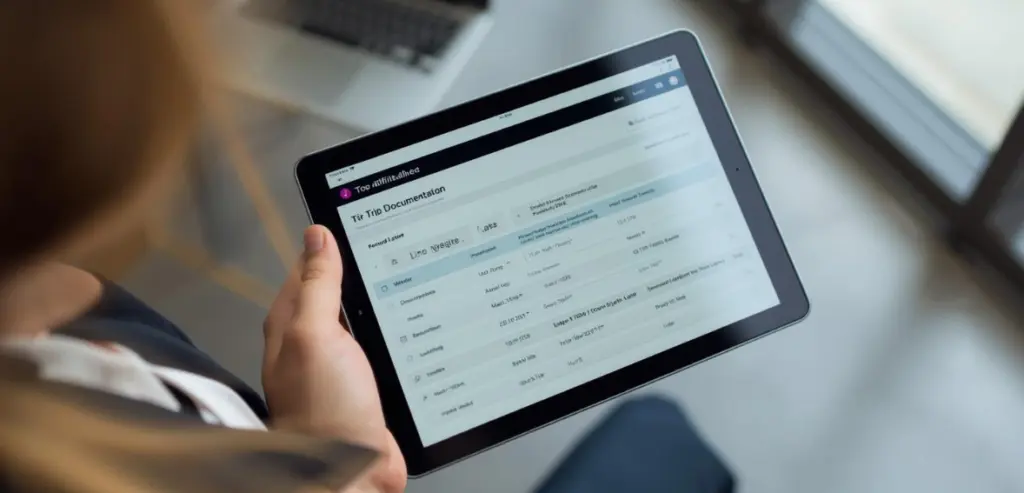
Technology plays a critical role in modern affiliate trip management. Manual tracking methods often lead to lost information and inconsistent communication.
Digital reservation systems allow companies to centralize trip details, automate updates, and maintain clear records.
Technology-driven operations improve efficiency and reduce administrative workload.
Modern systems support better limo network coordination by allowing real-time communication between affiliate partners.
Technology Advantages in Affiliate Management
- Centralized reservation tracking
- Automated confirmations
- Real-time trip status updates
- Communication history tracking
- Improved reporting capabilities
- Reduced manual errors
Technology supports an organization, but it must be combined with strong operational discipline.
Why Documentation Is Critical in Affiliate Operations
Documentation is essential for preventing disputes and maintaining accountability. Companies that carefully document affiliate reservations reduce risk and improve operational transparency.
Documentation provides a record of agreements, communications, and service expectations.
Maintaining organized documentation also supports financial accuracy and performance evaluation.
Important Affiliate Records Companies Should Maintain
- Reservation confirmations
- Affiliate rate agreements
- Trip modifications
- Service incident reports
- Billing records
- Payment confirmations
Professional documentation supports long-term operational stability.
Building Strong Affiliate Relationships Through Professional Standards
Successful affiliate networks are built on trust, reliability, and professionalism. Companies that maintain strong relationships often receive more referral opportunities and priority trip assignments.
Professional behavior strengthens transportation partnerships.
Companies known for reliability, clear communication, and fair business practices become preferred partners.
Practices That Strengthen Affiliate Relationships
- Honest communication
- Consistent service standards
- Fair pricing agreements
- Timely payments
- Professional issue resolution
- Reliable performance
Strong relationships create long-term growth opportunities.
Financial Organization in Affiliate Trip Management
Financial clarity is just as important as operational clarity. Companies must establish clear pricing structures and payment expectations before confirming affiliate trips.
Financial misunderstandings can quickly damage professional relationships.
Clear billing procedures protect both companies and reduce administrative friction.
Financial Terms That Should Always Be Defined
- Base trip pricing
- Waiting time charges
- Gratuity structure
- Additional fees
- Cancellation policies
- Payment timelines
Financial transparency supports sustainable affiliate cooperation.
Quality Control in Chauffeur Affiliate Reservations
Even when a partner company completes the ride, your company remains responsible for the customer experience. This makes quality control essential in affiliate trip management.
Professional operators monitor affiliate performance to ensure service expectations are met.
Quality management protects brand reputation.
Quality Control Measures Used by Professional Companies
- Screening affiliate partners
- Monitoring service feedback
- Tracking reliability metrics
- Reviewing service incidents
- Maintaining performance standards
- Addressing service issues quickly
Consistent quality expectations protect customer trust.
How Limo Network Coordination Improves Customer Satisfaction
Customers expect reliability regardless of who completes the ride. Strong limo network coordination ensures passengers receive consistent service across different locations.
When affiliate networks function properly, customers experience smooth service without noticing the operational coordination behind the scenes.
Professional networks improve service reliability and availability.
Customer Benefits of Strong Affiliate Networks
- Expanded service coverage
- Reliable vehicle availability
- Consistent service quality
- Faster response times
- Professional chauffeurs
- Reduced service disruptions
Affiliate coordination should always focus on delivering a consistent customer experience.
Using Checklists to Prevent Affiliate Trip Errors
Checklists are simple but highly effective tools for maintaining organization. Many successful transportation companies rely on standardized checklists to prevent missed details.
Checklists improve consistency and reduce preventable errors.
They also help staff follow established processes.
Sample Affiliate Reservation Checklist
- Verify trip details
- Confirm pricing
- Confirm affiliate availability
- Assign chauffeur
- Send confirmation details
- Monitor trip progress
- Record trip completion
- Close billing documentation
Simple process tools often produce the greatest operational improvements.
Training Staff on Affiliate Reservation Procedures
Even the best systems fail without proper staff training. Employees managing affiliate reservations must understand operational procedures and communication expectations.
Training ensures consistency and reduces preventable mistakes.
Companies that invest in training typically maintain stronger affiliate partnerships.
Important Areas of Affiliate Operations Training
- Reservation accuracy standards
- Affiliate communication protocols
- Confirmation procedures
- Problem resolution processes
- Documentation requirements
- Customer service expectations
Well-trained teams create dependable operations.
The Future of Affiliate Trip Management in the Limo Industry
Affiliate work continues to evolve as technology improves and transportation networks become more connected. Companies are increasingly adopting centralized platforms and automation tools to manage affiliate reservations more efficiently.
Future affiliate operations will likely focus on increased transparency, faster communication, and stronger data integration.
Companies that invest in better systems and processes today will be better positioned for future growth.
Emerging Trends in Affiliate Operations
- Integrated reservation platforms
- Automated workflow systems
- Real-time communication tools
- Standardized service data
- Stronger affiliate vetting processes
- Expanded service networks
Preparation helps companies remain competitive in a connected transportation industry.
Conclusion
Farm-in and farm-out limo operations are essential for modern transportation companies seeking growth, reliability, and operational flexibility. Well-managed affiliate programs allow companies to expand their reach, maintain consistent service quality, and strengthen industry partnerships.
Successful affiliate trip management depends on clear communication, structured processes, accurate documentation, and strong professional relationships. Companies that implement standardized trip handoff procedures, maintain clear affiliate confirmations, and invest in strong limo network coordination will consistently outperform disorganized competitors.
Affiliate work is ultimately about delivering dependable service regardless of who performs the trip. Companies that prioritize organization and professionalism build stronger networks, protect their reputations, and create long-term business stability.
FAQs
What is farm-in and farm-out work in limousine services?
Farm-out refers to assigning a trip to an affiliate company, while farm-in refers to receiving a trip from another transportation provider.
Why is affiliate trip management important for limo companies?
Affiliate trip management helps companies stay organized, prevent service errors, maintain strong partner relationships, and improve customer satisfaction.
What details must be included in affiliate confirmations?
Confirmations should include trip date, time, passenger details, pickup location, vehicle type, pricing terms, and service instructions.
How do companies select reliable affiliate partners?
Companies typically evaluate affiliates based on reliability, communication, service quality, response speed, and professional reputation.
How can transportation companies improve affiliate trip organization?
Companies can improve organization by using structured processes, technology platforms, staff training, clear documentation, and strong communication practices.