

By John James May 15, 2026
Airport pickups are supposed to feel convenient, professional, and stress-free. Yet for many travelers and transportation providers, unexpected wait-time charges can quickly turn a smooth ride into an expensive inconvenience. Whether you are booking a luxury airport transfer, managing a fleet service, or arranging transportation for a client, flight delays and inaccurate arrival tracking can lead to unnecessary billing issues. That is why more travelers and transportation businesses are now focusing on reducing airport limo wait times by pre-verifying flight times across multiple apps before the pickup even begins.
In today’s travel environment, flight schedules change constantly. Delays, gate changes, early arrivals, and even weather disruptions can throw off airport pickup timing by minutes or hours. Relying on a single flight-tracking source is no longer enough if you want to minimize costs and avoid excessive chauffeur waiting fees. Smart travelers and limo companies are now using cross-platform flight verification tools to synchronize airport pickup schedules more accurately and reduce idle time.
By understanding how flight-tracking apps, airline notifications, and transportation management systems work together, travelers can avoid unnecessary waiting charges and improve the overall airport transfer experience. This guide explains how pre-verifying flight times across apps helps reduce costs, improve scheduling accuracy, and streamline airport transportation.
Why Airport Pickup Wait-Time Charges Have Become More Common

Airport transportation services usually include a grace period after a flight lands. Once the complimentary waiting window expires, additional charges begin to accumulate. For luxury car services and airport limo providers, these fees compensate chauffeurs for extended idle time, parking costs, and scheduling disruptions.
Outdated or incomplete flight data is one reason for many pickup delays. An app might have an estimated arrival time, and the flight may have landed early. Inaccurate data causes drivers to arrive too early. If a flight lands early and a driver is waiting, passengers might be delayed in clearing customs or retrieving their bags. These are disputes that can be avoided.
International travel involves more delays and inconveniences. The Federal Aviation Administration has said that delays remain a persistent problem for most major U.S. airports. Disruptions to international travel have put greater pressure on service companies to coordinate services more quickly, as travelers will not use them if they do not improve their scheduling systems.
The Importance of Pre-Verifying Flight Times Across Multiple Apps
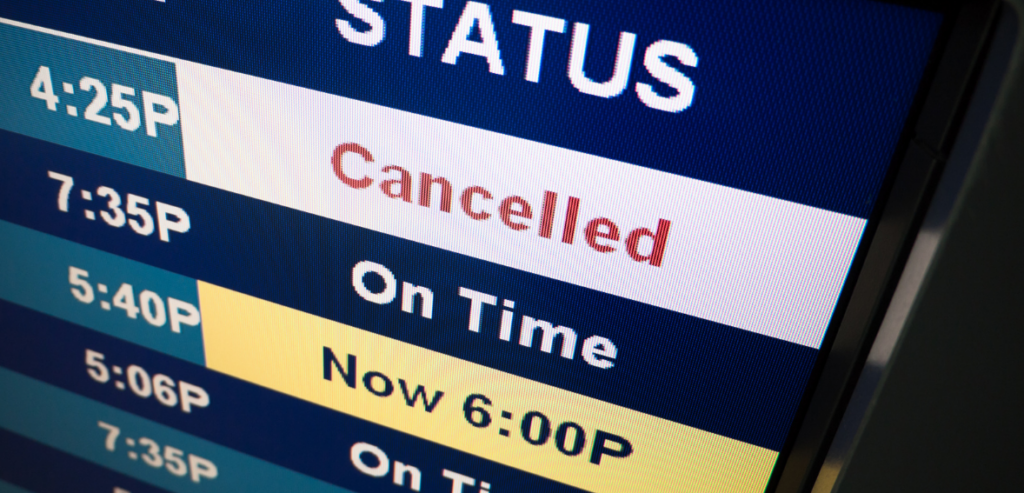
Pre-verifying flight information means comparing arrival data from multiple trusted sources rather than relying on a single application. Since different apps pull information from different aviation databases and update schedules at varying speeds, cross-checking significantly improves accuracy.
Many travelers assume airline apps always provide the fastest updates, but third-party flight trackers often process gate changes and runway arrival data more quickly. Meanwhile, airport-specific apps may provide more accurate baggage claim updates or terminal adjustments. When transportation coordinators compare all these sources before dispatching a vehicle, they can dramatically reduce timing errors.
This strategy works well with limousines because of their scheduled pickups. If a driver arrives twenty minutes early, the customer may incur wait charges. By checking flight statuses on apps before the flight lands, a driver can be sent at a better time.
Many contemporary companies that shuttle travelers to and from airports are using AI scheduling software. These tools check flight status, weather, and airport traffic. Not only do these tools help a business save time and money by automating scheduling tasks, but they also provide customers with better, cheaper service.
Google Flights
Google Flights is popular for tracking air travel. Travelers use it for booking, and it provides status updates and projected delays. Google Flights is helpful for limo or car service organizers who compare arrival times with other flight data.
Google’s integration of live airport and flight status data also allows users to see delays developing before they are reported on airline flight apps. Transportation companies can adjust pickup times to reflect increasing delays before formally reporting them.
For travelers arranging executive transportation or premium airport pickups, checking Google Flights before departure and again during transit can help prevent miscommunication with chauffeurs and dispatch teams.
FlightAware
Many professionals rely on FlightAware for flight tracking. It collects FAA data and other telemetry information and displays the flight’s current position. FlightAware has a loyal following among transport companies due to its ability to predict flight estimated time of arrival and track flights in real time.
FlightAware stands apart from other airline client apps that only provide an ETA. FlightAware reduces the wait time for airport transport by tracking the current status of the flight, e.g., circling for landing, delayed, or on time.
Reducing unnecessary airport parking increases the efficiency of available vehicles for other client bookings. Many luxury transport companies use FlightAware to determine when the chauffeur should leave based on flight data.
Airline Mobile Applications
Although third-party tools are valuable, airline apps still remain essential for accurate passenger communication. Most airlines send immediate push notifications regarding boarding delays, gate changes, baggage claim updates, and cancellations. These details directly affect the timing of airport pickup.
For example, a flight may technically land on time, but passengers may experience long deplaning delays due to gate congestion. Airline apps usually provide these operational updates faster than external tracking services. When travelers share these notifications with transportation providers, pickup coordination becomes much smoother.
Combining airline apps with independent flight trackers creates a layered verification strategy that significantly improves scheduling accuracy. Instead of relying on a single data stream, travelers and chauffeurs gain a clearer operational picture, minimizing confusion and extra costs.
How Transportation Companies Use Multi-App Verification Systems
Centralized software consolidates data from multiple aviation sources and is quickly becoming a standard feature among professional airport transportation companies. This software can monitor real-time changes in flight status and inform dispatchers when schedule changes are necessary.
Attention to detail is especially important in the luxury transport industry. If a driver is late, the customer is upset. When a driver arrives on time with minimal wait, transport companies can schedule other clients efficiently, maximizing productivity. The main goal is to provide service while maintaining the company’s bottom line.
The most advanced transit management solutions available today employ technologies such as predictive modeling and real-time updates to monitor and adjust for traffic congestion. Companies that make the greatest effort to minimize the time gap associated with airport pick-up and drop-off transport are rewarded with better business performance and improved customer retention. Most travelers appreciate the added level of service.
Why Travelers Should Also Participate in Flight Verification
Transport companies usually handle every part of the process for travelers, including coordinating airport pickups. However, travelers who monitor their flights and updates can significantly reduce the time and costs associated with waiting for pickups.
Travelers who inform drivers or dispatch teams when they land and about any delays at customs and during baggage claim can reduce some costs. Time can even be saved if the drivers change their scheduled arrival times at the airport.
This is especially the case for most international flights. There is a lot of variation and unpredictability in processing times at immigration. For instance, some passengers may take a full hour to clear customs, even if the flight lands early and is scheduled to arrive an hour before expected. In the meantime, if the driver has not been informed of the delays, they may wait to pick up the traveler, incurring additional charges.
Using multiple verification apps also helps travelers identify discrepancies between airline estimates and live airport conditions. This additional awareness supports better coordination and fewer surprise fees.
The Role of Automation in Airport Pickup Scheduling

Automation is rapidly transforming airport transportation logistics. AI-powered dispatch software can now process live aviation data, monitor traffic conditions, and automatically calculate optimal chauffeur departure times. These systems reduce human error while improving operational consistency.
Since vehicles spend less time idling at terminals, automation results in significant cost savings. Consequently, dispatch times can be calculated and optimized in real time, based on the status of runway operations. The most advanced automated systems use machine learning to estimate the time passengers typically require to egress from specified terminals.
As airports become even more congested, automated systems will become the de facto standard for scheduling premium airport transportation services. Companies that invest in these systems can achieve the most accurate pickup scheduling at a lower cost than their competitors.
Common Mistakes That Increase Wait-Time Charges
One of the biggest mistakes travelers make is assuming scheduled arrival time equals pickup readiness. In reality, airport pickup timing depends on many variables, including taxi delays, baggage retrieval, terminal transfers, customs processing, and airport traffic congestion.
Travelers shouldn’t expect transport companies to work around changes to their flights. If a passenger changes their flight time by even a few minutes, the chauffeur may have already left to pick them up. This makes things even more complicated and costlier.
This also includes passengers who provide outdated email addresses and refuse to use flight-tracking apps. Peak travel times and bad weather may cause a flight to be rescheduled several times, and these apps help passengers avoid paying for transport they cannot use.
Some transport companies also create inefficiencies by relying solely on airline-provided data. Partial verification does not provide the company with the full operational picture.
How Better Coordination Improves the Overall Travel Experience
A reduction in wait-time charges for people being picked up at an airport is not only about cutting costs. Improved coordination means an overall enhanced experience for all parties. Passengers prefer to know that their driver is monitoring their flight status and adjusting the pickup time as needed.
It is better for professional drivers as the scheduling provides minimal idle time and a more direct route. Service operators can serve a larger client base without sacrificing service quality.
In corporate travel environments, efficient airport transfers create a stronger impression on executives, clients, and business partners. Reliable scheduling demonstrates professionalism and operational competence. For this reason, many corporate travel managers now prioritize strategies to reduce airport limo wait times when selecting transportation vendors.
Conclusion
Airport pickup wait-time charges have become a growing concern for travelers and transportation companies alike, especially as flight disruptions continue increasing across major airports. Fortunately, pre-verifying flight times across multiple apps provides a highly effective way to minimize unnecessary costs and improve scheduling accuracy.
By combining airline notifications, independent flight trackers, airport apps, and automated dispatch systems, travelers and transportation providers can coordinate airport pickups with far greater precision. This proactive approach reduces idle time for chauffeurs, improves customer satisfaction, and supports more efficient fleet management.
As technology continues to evolve, reducing airport limo wait times will increasingly depend on real-time data integration and smarter scheduling tools. Travelers who actively monitor their flights and communicate updates promptly will enjoy smoother airport transfers while avoiding avoidable charges. Likewise, transportation companies that embrace multi-platform verification systems will deliver more reliable, professional service in an increasingly competitive travel industry.
Frequently Asked Questions
How can I reduce airport pickup wait-time charges?
You can reduce airport pickup wait-time charges by monitoring your flight across multiple tracking apps and sharing real-time updates with your transportation provider. This helps chauffeurs adjust arrival timing more accurately.
Which apps are best for verifying flight arrival times?
Popular flight verification tools include airline mobile apps, Google Flights, and FlightAware. Using multiple platforms together provides more accurate, up-to-date flight information.
Why do limo companies charge waiting fees at airports?
Limo companies charge waiting fees to compensate chauffeurs for additional time spent at airports beyond the complimentary grace period. These fees cover parking, scheduling disruptions, and idle operational time.
Does flight tracking really help reduce airport limo wait time?
Yes. Real-time flight tracking enables transportation providers to synchronize pickups with actual arrival times rather than relying on outdated schedules. This significantly reduces unnecessary waiting charges and improves service efficiency.